What is anaerobic coffee? What is anaerobic coffee? Did you know
Did you know

What is anaerobic coffee?

Will Sowerby

Written by Will Sowerby / Views

Published - 14 July 2026

Key takeaways

  • Anaerobic coffee is coffee that’s been processed using anaerobic fermentation – a method where coffee cherries ferment in a sealed, oxygen-free environment.
  • Removing oxygen changes microorganisms behave during fermentation, often creating sweeter, fruitier and more complex flavour profiles.
  • Anaerobic fermentation is different from co-fermentation. No additional ingredients are added – only the cherries themselves are fermented.
  • The method needs careful control of time, temperature, and pressure, making it one of the most technical coffee processing techniques.

Long before your coffee reaches your kitchen, it’s grown on a farm where climate, altitude, and craftsmanship shape every bean. One of the biggest decisions that influences how your coffee tastes happens after the cherries are picked,

Among the many processing methods used today, anaerobic fermentation has become one of the most exciting. It’s helped growers unlock bold new flavours, win competitions, and explore just how expressive coffee can be.

But what exactly is anaerobic fermentation? How does it work? And does it make your coffee taste better?

Here’s everything you need to know.

What is anaerobic coffee?

Anaerobic coffee is coffee that’s processed using anaerobic fermentation.

After the coffee cherries are picked, they’re placed inside sealed tanks where oxygen is removed or greatly reduced. Inside these tanks, naturally occurring microorganisms begin breaking down the sugars in the fruit surrounding the coffee bean.

Without oxygen, fermentation follows a different path from traditional processing, making different flavour compounds that can dramatically influence the coffee’s final character. This can often create vibrant flavours that remind you of ripe berries, tropical fruit, or even rich red wine.

Marcus Carvalho, an expert in anaerobic-fermented coffee

What does anaerobic mean in coffee?

The word ‘anaerobic’ simply means ‘without oxygen’.

In coffee processing, it describes a fermentation method where coffee’s placed inside airtight tanks or containers before drying.

Because oxygen is limited, naturally occurring yeasts and bacteria behave differently than they would during traditional fermentation.

That creates different acids, esters, and aromatic compounds, which can lead to coffees with:

  • Brighter fruit flavours
  • Richer sweetness.
  • More pronounced acidity.
  • Greater complexity.
  • A longer-lasting finish.

While the science behind fermentation is incredibly complex, the goal is simple: to help exceptional coffee express even more of its potential.

What is anaerobic coffee processing?

Anaerobic processing begins much like other coffee processing methods – with carefully picked, ripe coffee cherries.

From there, the process changes. When fermenting anaerobically, a grower will usually:

  1. Harvest ripe coffee cherries.
  2. Place them into sealed fermentation tanks.
  3. Allow fermentation to take place in an oxygen-free environment.
  4. Carefully monitor temperature, pressure, and fermentation time.
  5. Dry the coffee before milling and export.

Some growers ferment whole cherries. Others remove the outer skin first. But every grower develops their own approach, refining it over many harvests.

Some tanks even include valves that allow carbon dioxide to escape while preventing oxygen from entering. This level of control is what makes anaerobic fermentation so exciting – but also challenging. Small changes in temperature or fermentation time can completely transform how the coffee tastes, for better and worse.

If you want to understand how this compares with other methods, explore our guide to coffee processing methods here.

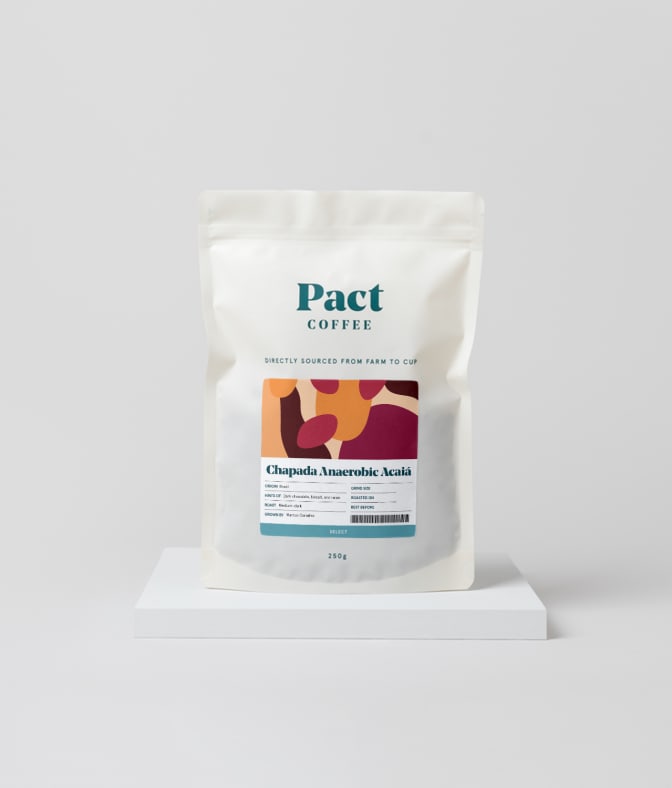
Marcus Carvalho's Anaerobic Acaiá

Why do coffee growers use anaerobic fermentation?

Like many innovations in speciality coffee, anaerobic fermentation starts with human curiosity.

Growers are always looking for ways to express the best qualities of their beans while creating something distinctive.

Anaerobic fermentation can help growers:

  • Elevate natural sweetness.
  • Increase fruit complexity.
  • Create cleaner, more vibrant acidity.
  • Produce more competition-level coffees.
  • Add further value to exceptional harvests.

But it’s far from an easy shortcut.

The process requires meticulous monitoring and experience to get results. Fermenting for too long – or at the wrong temperature – can quickly overpower a coffee’s natural character.

That’s why the best anaerobic coffees still begin with exceptional cherries, grown by people who understand every inch of their farm’s land.

What does anaerobic coffee taste like?

Anaerobic coffees are often among the most expressive you’ll taste.

Depending on the grower, variety, and origin, your cup might remind you of:

  • Blackberry jam.
  • Tropical mango.
  • Pineapple.
  • Raspberry.
  • Cherry.
  • Blood orange.
  • Floral honey.

Note: these flavours are inconsistent and grower-dependent – anaerobic fermentation is a less standardised process than washed processing, so results vary a lot from batch to batch, even from the same farm.

Some anaerobic coffees can also swing into funky or boozy-tasting territory (a downside if fermentation goes too far or too long) – not just fruit-forward and pleasant. But the best anaerobic coffee should still taste balanced.

Whether an anaerobic coffee’s from Brazil, Colombia, or Kenya, the grower will produce something still unique to its place in the world. A Colombian would still lean towards berries and tropical fruit, whereas a Brazilian would amplify rich chocolates and plum-like sweetness.

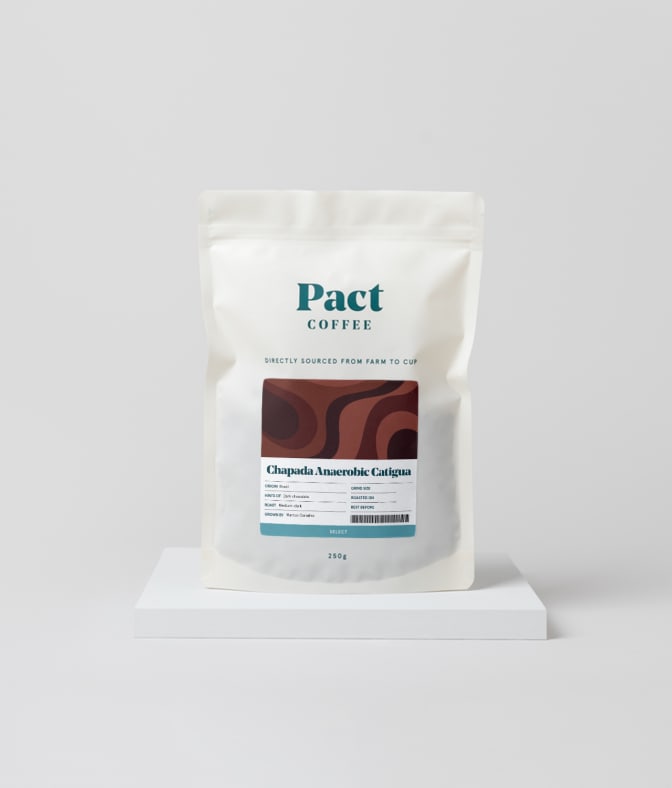
Marcus Carvalho's Anaerobic Catigua

Washed vs anaerobic coffee

Both washed and anaerobic speciality coffees start with exceptional coffee cherries.

The difference lies in how they’re processed.

Washed coffee

  • Fermented with exposure to oxygen.
  • Often clean and crisp.
  • Highlights clarity and origin character.
  • Traditional processing method.

Anaerobic coffee

  • Fermented in sealed, oxygen-free tanks.
  • Often fruitier and more complex.
  • Can create more intense sweetness and aromatics.
  • Modern experimental processing method.

Neither method is objectively better than the other – it’s just down to discovering what you like best and what makes your morning ritual special.

If you enjoy elegant, delicate coffee where the farm’s terroir shines through clearly, a washed coffee is most likely going to be your preferred option.

If you love bold, fruity flavours and discovering something unexpected, anaerobic coffees can be incredibly rewarding.

At Pact, we roast both classic and experimental coffees to offer our customers the full spectrum of what’s possible in speciality coffee.

Keep an eye out on our ever-changing menu for our latest releases.

FAQs

What is anaerobic coffee?

Anaerobic coffee is coffee processed using anaerobic fermentation, where coffee cherries ferment inside sealed tanks without oxygen. This can produce sweeter, fruitier and more complex flavours.

What does anaerobic mean in coffee?

Anaerobic means ‘without oxygen’. During coffee processing, fermentation takes place inside airtight containers instead of open tanks.

Does anaerobic coffee taste different?

Yes. Anaerobic coffees often have vibrant fruit flavours, rich sweetness and complex aromas compared with coffee made with more traditional processing methods.

Is anaerobic coffee stronger?

No. Anaerobic processing changes flavour rather than caffeine content. An anaerobic coffee contains roughly the same amount of caffeine as another coffee from the same variety and roast level.

Is anaerobic coffee better than washed coffee?

Neither is better. Washed coffees are often clean and crisp, while anaerobic coffees tend to be bolder and fruitier. It all comes down to the flavours you enjoy.

Is anaerobic coffee naturally processed?

Not necessarily. Anaerobic fermentation is a fermentation technique rather than a complete processing category. Coffee can be anaerobically fermented before being finished using different processing methods, depending on the producer’s approach.

What is anaerobic coffee?

Will Sowerby

Written by Will Sowerby

Views

Published - 14 July 2026

Key takeaways

  • Anaerobic coffee is coffee that’s been processed using anaerobic fermentation – a method where coffee cherries ferment in a sealed, oxygen-free environment.
  • Removing oxygen changes microorganisms behave during fermentation, often creating sweeter, fruitier and more complex flavour profiles.
  • Anaerobic fermentation is different from co-fermentation. No additional ingredients are added – only the cherries themselves are fermented.
  • The method needs careful control of time, temperature, and pressure, making it one of the most technical coffee processing techniques.

Long before your coffee reaches your kitchen, it’s grown on a farm where climate, altitude, and craftsmanship shape every bean. One of the biggest decisions that influences how your coffee tastes happens after the cherries are picked,

Among the many processing methods used today, anaerobic fermentation has become one of the most exciting. It’s helped growers unlock bold new flavours, win competitions, and explore just how expressive coffee can be.

But what exactly is anaerobic fermentation? How does it work? And does it make your coffee taste better?

Here’s everything you need to know.

What is anaerobic coffee?

Anaerobic coffee is coffee that’s processed using anaerobic fermentation.

After the coffee cherries are picked, they’re placed inside sealed tanks where oxygen is removed or greatly reduced. Inside these tanks, naturally occurring microorganisms begin breaking down the sugars in the fruit surrounding the coffee bean.

Without oxygen, fermentation follows a different path from traditional processing, making different flavour compounds that can dramatically influence the coffee’s final character. This can often create vibrant flavours that remind you of ripe berries, tropical fruit, or even rich red wine.

Marcus Carvalho, an expert in anaerobic-fermented coffee

What does anaerobic mean in coffee?

The word ‘anaerobic’ simply means ‘without oxygen’.

In coffee processing, it describes a fermentation method where coffee’s placed inside airtight tanks or containers before drying.

Because oxygen is limited, naturally occurring yeasts and bacteria behave differently than they would during traditional fermentation.

That creates different acids, esters, and aromatic compounds, which can lead to coffees with:

  • Brighter fruit flavours
  • Richer sweetness.
  • More pronounced acidity.
  • Greater complexity.
  • A longer-lasting finish.

While the science behind fermentation is incredibly complex, the goal is simple: to help exceptional coffee express even more of its potential.

What is anaerobic coffee processing?

Anaerobic processing begins much like other coffee processing methods – with carefully picked, ripe coffee cherries.

From there, the process changes. When fermenting anaerobically, a grower will usually:

  1. Harvest ripe coffee cherries.
  2. Place them into sealed fermentation tanks.
  3. Allow fermentation to take place in an oxygen-free environment.
  4. Carefully monitor temperature, pressure, and fermentation time.
  5. Dry the coffee before milling and export.

Some growers ferment whole cherries. Others remove the outer skin first. But every grower develops their own approach, refining it over many harvests.

Some tanks even include valves that allow carbon dioxide to escape while preventing oxygen from entering. This level of control is what makes anaerobic fermentation so exciting – but also challenging. Small changes in temperature or fermentation time can completely transform how the coffee tastes, for better and worse.

If you want to understand how this compares with other methods, explore our guide to coffee processing methods here.

Marcus Carvalho's Anaerobic Acaiá

Why do coffee growers use anaerobic fermentation?

Like many innovations in speciality coffee, anaerobic fermentation starts with human curiosity.

Growers are always looking for ways to express the best qualities of their beans while creating something distinctive.

Anaerobic fermentation can help growers:

  • Elevate natural sweetness.
  • Increase fruit complexity.
  • Create cleaner, more vibrant acidity.
  • Produce more competition-level coffees.
  • Add further value to exceptional harvests.

But it’s far from an easy shortcut.

The process requires meticulous monitoring and experience to get results. Fermenting for too long – or at the wrong temperature – can quickly overpower a coffee’s natural character.

That’s why the best anaerobic coffees still begin with exceptional cherries, grown by people who understand every inch of their farm’s land.

What does anaerobic coffee taste like?

Anaerobic coffees are often among the most expressive you’ll taste.

Depending on the grower, variety, and origin, your cup might remind you of:

  • Blackberry jam.
  • Tropical mango.
  • Pineapple.
  • Raspberry.
  • Cherry.
  • Blood orange.
  • Floral honey.

Note: these flavours are inconsistent and grower-dependent – anaerobic fermentation is a less standardised process than washed processing, so results vary a lot from batch to batch, even from the same farm.

Some anaerobic coffees can also swing into funky or boozy-tasting territory (a downside if fermentation goes too far or too long) – not just fruit-forward and pleasant. But the best anaerobic coffee should still taste balanced.

Whether an anaerobic coffee’s from Brazil, Colombia, or Kenya, the grower will produce something still unique to its place in the world. A Colombian would still lean towards berries and tropical fruit, whereas a Brazilian would amplify rich chocolates and plum-like sweetness.

Marcus Carvalho's Anaerobic Catigua

Washed vs anaerobic coffee

Both washed and anaerobic speciality coffees start with exceptional coffee cherries.

The difference lies in how they’re processed.

Washed coffee

  • Fermented with exposure to oxygen.
  • Often clean and crisp.
  • Highlights clarity and origin character.
  • Traditional processing method.

Anaerobic coffee

  • Fermented in sealed, oxygen-free tanks.
  • Often fruitier and more complex.
  • Can create more intense sweetness and aromatics.
  • Modern experimental processing method.

Neither method is objectively better than the other – it’s just down to discovering what you like best and what makes your morning ritual special.

If you enjoy elegant, delicate coffee where the farm’s terroir shines through clearly, a washed coffee is most likely going to be your preferred option.

If you love bold, fruity flavours and discovering something unexpected, anaerobic coffees can be incredibly rewarding.

At Pact, we roast both classic and experimental coffees to offer our customers the full spectrum of what’s possible in speciality coffee.

Keep an eye out on our ever-changing menu for our latest releases.

FAQs

What is anaerobic coffee?

Anaerobic coffee is coffee processed using anaerobic fermentation, where coffee cherries ferment inside sealed tanks without oxygen. This can produce sweeter, fruitier and more complex flavours.

What does anaerobic mean in coffee?

Anaerobic means ‘without oxygen’. During coffee processing, fermentation takes place inside airtight containers instead of open tanks.

Does anaerobic coffee taste different?

Yes. Anaerobic coffees often have vibrant fruit flavours, rich sweetness and complex aromas compared with coffee made with more traditional processing methods.

Is anaerobic coffee stronger?

No. Anaerobic processing changes flavour rather than caffeine content. An anaerobic coffee contains roughly the same amount of caffeine as another coffee from the same variety and roast level.

Is anaerobic coffee better than washed coffee?

Neither is better. Washed coffees are often clean and crisp, while anaerobic coffees tend to be bolder and fruitier. It all comes down to the flavours you enjoy.

Is anaerobic coffee naturally processed?

Not necessarily. Anaerobic fermentation is a fermentation technique rather than a complete processing category. Coffee can be anaerobically fermented before being finished using different processing methods, depending on the producer’s approach.